


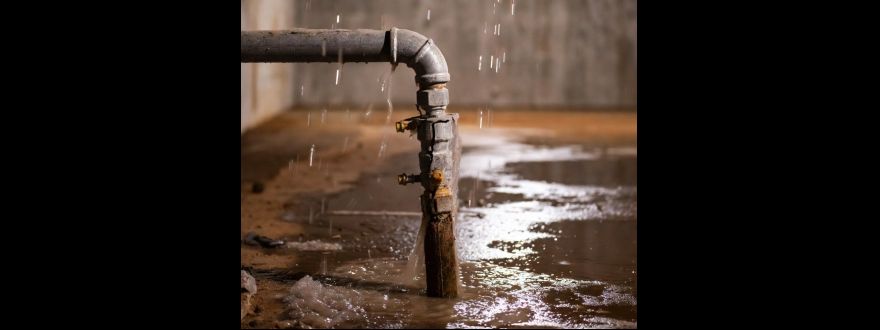
Preventing Frozen & Burst Pipes — Guidance From Insurance Brokers of Minnesota in Jordan, MN
When winter temperatures plunge in Minnesota, frozen pipes become one of the most common and costly home disasters. A single frozen pipe can burst suddenly, causing major water damage within minutes. At Insurance Brokers of Minnesota, we want to help you prevent this situation—and understand how your homeowners insurance may help if it happens.
How to Prevent Your Pipes From Freezing
1. Insulate exposed pipes.
Pipes located in unheated spaces such as basements, attics, garages, and crawl spaces are especially vulnerable. Wrapping them with pipe insulation or heat tape provides crucial protection.
2. Keep your home heated.
Maintain a steady indoor temperature, even when you're not home. Avoid setting the thermostat below 55°F. Consistent heat helps keep water moving inside your plumbing system.
3. Let faucets drip.
During extreme cold, allowing a small trickle of water to run helps relieve pressure inside pipes and reduces the chance of them freezing.
4. Open cabinets under sinks.
Keeping bathroom and kitchen cabinet doors open allows warm air to reach pipes that run along exterior walls.
5. Seal drafts.
Cold air sneaking in through cracks around doors, windows, or foundation areas can quickly freeze pipes. Caulking and weather-stripping help keep cold air out and warm air inside.
If a Pipe Freezes or Bursts
If your water flow stops or slows to a trickle, the pipe may already be frozen. Immediately shut off your home’s main water supply to reduce the risk of a rupture. If a pipe has already burst, keeping the water off and calling a licensed plumber right away can minimize additional damage.
While waiting for repairs, take photos and videos of the affected areas and any damaged belongings. This documentation is very important when filing a claim.
Does Homeowners Insurance Cover Burst Pipes?
Most standard homeowners insurance policies do cover sudden and accidental water damage, including damage caused by burst pipes. This may include:
- Water extraction and cleanup
- Drying and removal of damaged materials
- Repairs to floors, walls, and ceilings
- Replacement of damaged personal property (subject to policy limits)
However, insurers typically do not cover damage resulting from neglect—for example, failing to keep the home heated during a freeze.
At Insurance Brokers of Minnesota, our agents can help you review your policy so you know exactly what’s covered.
How to File a Claim With Your Insurance Company
1. Document the damage.
Take clear photos and videos before cleanup begins.
2. Contact your insurance company promptly.
Most carriers offer 24/7 claims assistance.
3. Prevent further damage.
Remove excess water, protect undamaged belongings, and save damaged materials if safe to do so. You may want to reach out to a local restoration company if you have significant damage.
4. Meet with the claims adjuster.
They will assess the damage and outline the next steps.
5. Save all receipts.
Keep invoices for plumbing repairs, emergency services, temporary lodging, or drying equipment. These may be reimbursable depending on your policy.